Beauty Treatment Programmes: Why They Can Be Stronger Than One-Off Appointments
Many beauty businesses focus on adding new treatments. More options, more services, more variety. However, the smarter question is not always which new treatment to introduce. Often, it is how existing treatments work together. Beauty treatment programmes help practitioners move beyond one-off appointments and create clearer client journeys. For many practices, that shift builds something more sustainable than chasing the next popular service.
This article explains what treatment programmes are, why they work commercially, and how microdermabrasion fits naturally into a planned, results-focused approach.
What Are Beauty Treatment Programmes?
A treatment programme is not a bundle of random bookings. Instead, it is a planned series of appointments built around a specific client goal. The client arrives not just for a treatment but for a process. There is a starting point, a direction, and a review built in.
For example, programmes might include skin brightening plans, texture and radiance series, congestion and pore-focused courses, body exfoliation programmes, or facial maintenance plans. Each works because both the practitioner and the client understand what they are working towards. In other words, the goal is shared from the first conversation.
That shared clarity makes a real difference. The client understands why they return. The practitioner knows what progress looks like. Conversations shift from “what shall we do today” to “how are we getting on.”
Why Beauty Treatment Programmes Can Support Repeat Bookings
One of the most common challenges in beauty businesses is keeping clients returning between key seasonal appointments. A treatment programme addresses this directly. When a client commits to a plan, the next appointment does not need re-selling. It is already part of the agreement.
As a result, rebooking conversations become more natural. Clients have a reason to come back that goes beyond a one-off impulse. In addition, the structure helps manage expectations honestly. The plan sets out what the programme works towards, and over what kind of timeframe, without making specific outcome promises.
Because of this clarity, aftercare guidance also lands better. Clients follow homecare advice more consistently when they understand the bigger picture. Moreover, the consultation itself feels more professional. The client sees a practitioner who is thinking about them as an individual – not simply filling an appointment slot.
Why Clients Often Respond Better to a Plan
Clients do not always know which treatment they need. Indeed, what most clients know is the result they want. Fresher-looking skin. Smoother texture. Less self-consciousness about a particular concern.
For instance, a client searching for help with dullness may have no idea whether a peel, a course of microdermabrasion, or something else will help most. That is what a skilled consultation determines. Consequently, when a practitioner turns a vague goal into a clear, structured plan with realistic expectations, the quality of the client relationship shifts immediately.
The client feels heard. The practitioner has a framework to work within. Treatments feel more valuable, because there is a context around them. That context is what a programme provides.
How Microdermabrasion Fits Into Beauty Treatment Programmes
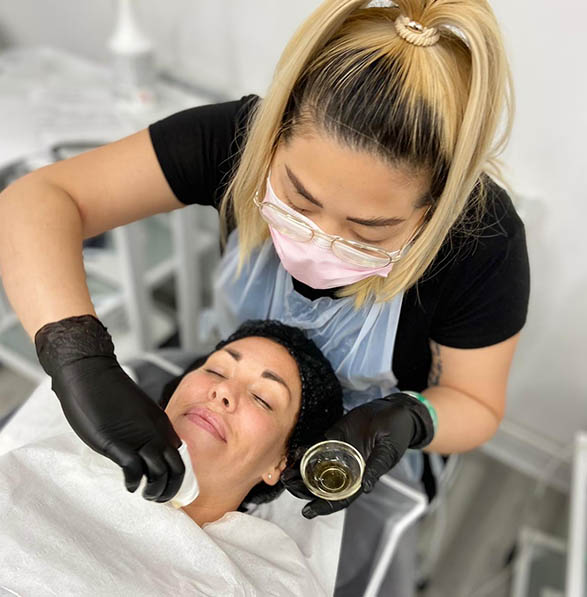
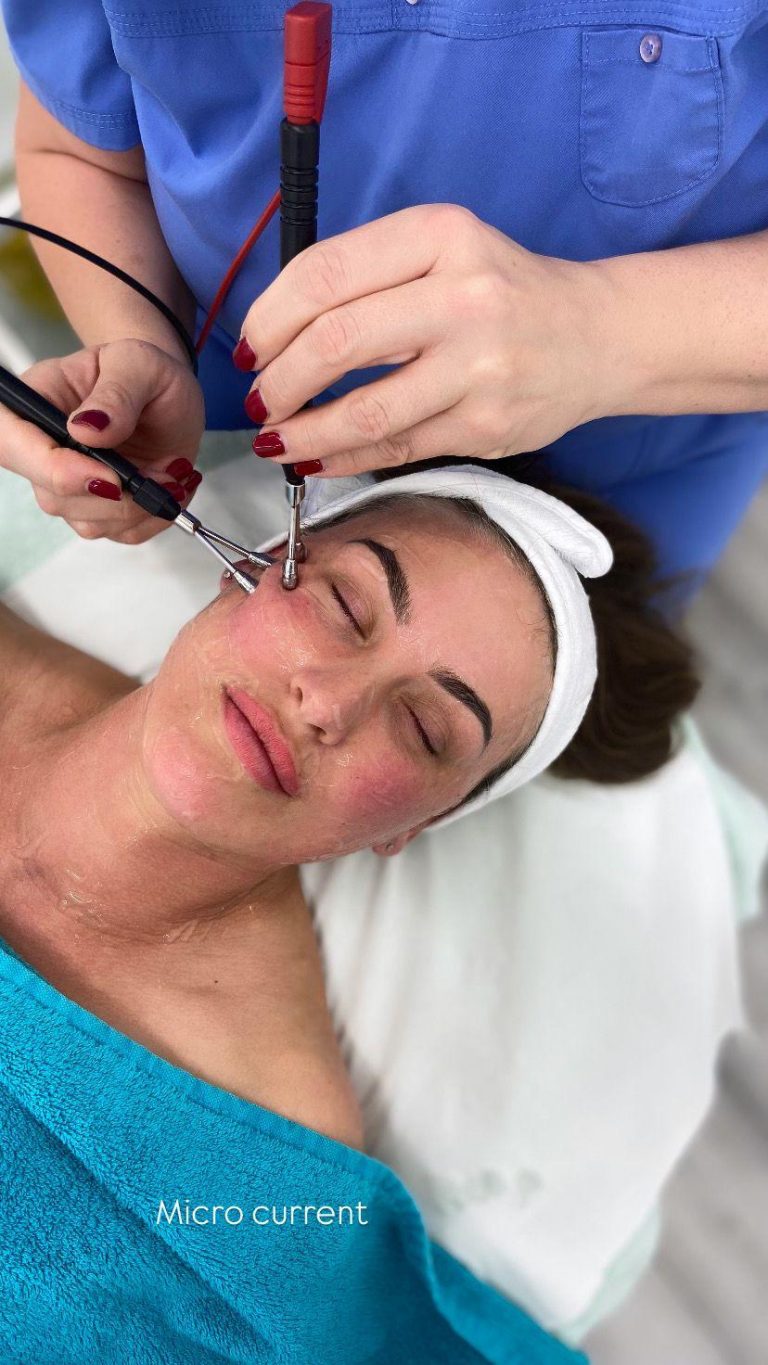
Microdermabrasion is a well-established exfoliation treatment. According to Spire Healthcare, it removes a thin layer of the outer skin and encourages new skin to grow so that it appears fresher. Spire notes it can address sunspots, fine facial wrinkles and uneven texture, though individual results vary.
Because of this, microdermabrasion sits naturally within programmes focused on dullness, texture, uneven tone, congestion, pore appearance, and radiance. It works for both face and body treatment menus. Furthermore, it is a treatment clients understand intuitively. The concept of skin resurfacing and renewal is accessible without clinical background.
Using microdermabrasion safely within a programme
However, important caveats apply. Microdermabrasion is not suitable for all skin types and concerns. Active acne, sensitive skin, and recent cosmetic procedures are among the contraindications a practitioner must screen for carefully. The British Association of Dermatologists notes that acne and skin scarring vary significantly, and some concerns require medical input.
That said, for suitable clients following a thorough consultation, microdermabrasion can serve as a practical, accessible anchor treatment within a planned skin programme. In contrast to one-off sessions, using it within a structured plan gives both the practitioner and the client a clearer sense of progress over time.
Why Professional Consultation Is Essential
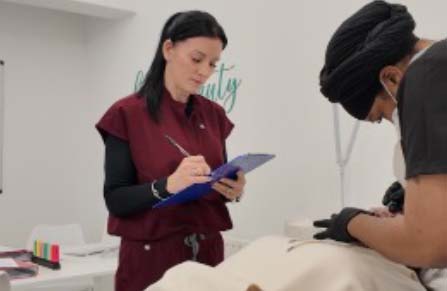
Programmes only work when consultation comes first. Without this foundation, a series of appointments can produce poor outcomes and erode trust – the opposite of what a programme is meant to achieve.
A thorough consultation should cover skin type and current condition, contraindications, recent procedures or treatments, sensitivity, active concerns such as acne, client expectations and goals, and realistic aftercare commitments. Similarly, referral matters here. Some clients will benefit more from a GP or dermatologist review than from a beauty treatment programme. As a result, being honest about that – and directing clients appropriately – is part of what makes a practitioner trustworthy and professional.
Building a Treatment Menu Around Programmes
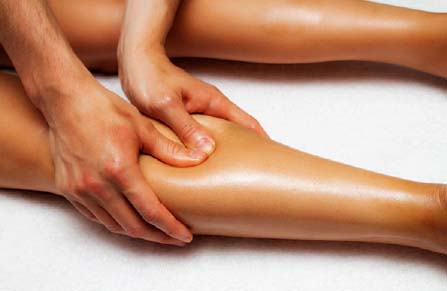
Microdermabrasion does not have to work alone. For example, within a well-designed treatment menu it can sit alongside facials, LED therapy, and chemical peels for those trained to offer them. Body treatments and homecare advice, where within scope, add further layers of continuity between appointments.
In addition, practitioners who already offer skin-focused services often find that a programme model fits naturally with what they do. However, the shift does not always require adding something new. Often, it means framing existing treatments in a way that creates a longer, more planned client relationship.
The principle is straightforward. A client with a skin goal does not need a single miracle treatment. They need a considered approach – and a programme provides the structure that makes that approach coherent and trackable.
Is Programme-Based Treatment Planning Right for Your Business?
Programme-based planning may suit you if you are a new therapist wanting to build repeat bookings from the outset, rather than starting from scratch each month. For instance, building in a programme structure during initial consultations sets the expectation of return from the very first appointment.
Alternatively, if you are an established practitioner who wants to add more structure and intention to existing services, a programme approach layers easily onto what you already offer. In either case, the shift is less about adding new treatments and more about creating a cleaner, more professional client journey around the ones you already provide.
Author: Anna Camarinha BSc
Founder and Lead Educator at Little Beauty Academy
Related Courses at Little Beauty Academy
Frequently Asked Questions
Beauty treatment programmes are planned series of treatments built around a specific client goal. Rather than booking individual appointments, the client and practitioner agree on a structured approach – for example, a course of microdermabrasion aimed at improving skin texture and radiance. A programme includes a consultation, a treatment plan, realistic expectations, aftercare guidance, and built-in review points.
Not always. One-off appointments still have a place for clients who want a single treatment for a specific occasion or concern. However, for clients with longer-term goals – improving skin texture, addressing dullness, managing congestion – a programme can support clearer outcomes, more honest expectation management, and a stronger ongoing client relationship. The right approach depends on the individual client and their goals.
Yes, where suitable following consultation. According to Spire Healthcare, microdermabrasion can improve skin tone and texture and may address concerns such as sunspots, fine lines and uneven skin. It works well as an exfoliation anchor within a broader planned programme. However, contraindications must be screened carefully, as it is not appropriate for all skin types or conditions.
There is no fixed number. The right length depends on the client’s individual concern, skin type, treatment type, contraindications, and the practitioner’s clinical judgement. Programmes should be planned around the client’s goal, reviewed at appropriate intervals, and adjusted as needed. Practitioners should avoid prescribing a set number of sessions without proper individual assessment.
The Microdermabrasion Face and Body Course at Little Beauty Academy covers the skills needed to offer exfoliation-based treatments across face and body. In addition, the Aesthetic Therapy Courses provide a broader framework for consultation-led, results-focused practice across a range of treatment types.
References
British Association of Dermatologists – Acne Patient Information: www.bad.org.uk/patient-information-leaflets
NHS – Acne Complications: www.nhs.uk/conditions/acne/complications
GOV.UK – Licensing of non-surgical cosmetic procedures consultation response (August 2025): www.gov.uk/government/consultations/licensing-of-non-surgical-cosmetic-procedures