If you are asking yourself “what aesthetic qualification do I need”, choosing between aesthetic qualification levels can feel confusing. Level 3, Level 4, Level 5, Level 6, Level 7 – and a growing list of short courses sitting alongside all of them. Each level builds on the last, but the jump between them is not always obvious from a course title alone. Understanding what each aesthetic qualification level actually covers, who it is designed for, and where it leads is the most important step before committing to a training route.
Use the questionnaire above to get a quick starting point based on your current experience and goals. Alternatively, the written guide below explains each level in full detail. Both are designed to work together to make the decision clearer.
This questionnaire is for guidance only. The right qualification depends on your experience, existing qualifications, treatment goals, and insurance requirements. Contact Little Beauty Academy to discuss your individual circumstances. GOV.UK provides an official register of regulated qualifications for further reference.
Why Aesthetic Qualification Levels Matter More Than Ever
The UK aesthetics industry has operated for years with very few mandatory standards. Anyone could legally perform Botox or dermal filler injections regardless of training. However, that is changing. In August 2025, the UK Government published its consultation response on licensing non-surgical cosmetic procedures, confirming that a mandatory licensing framework is coming to England. As a result, practitioners will be required to be suitably knowledgeable, trained, and qualified.
The government’s consultation attracted 11,848 responses. Among the professionals who responded, 82% were actively providing non-surgical cosmetic treatments. Consequently, the direction of travel is clear: practitioners who hold structured, regulated qualifications are starting from a stronger position. Those who have relied on short courses alone may face a more difficult transition as the framework takes effect.
For practitioners considering their options now, understanding which aesthetic qualification level fits their current stage is therefore not just about career progression. It is also about future-proofing a practice.
What Are QUALIFI Aesthetic Qualifications?

QUALIFI is an Ofqual-regulated awarding body offering a structured pathway of aesthetics qualifications from Level 3 through to Level 7. Ofqual-regulated qualifications appear on the GOV.UK Register of Regulated Qualifications, which practitioners can use to verify a qualification’s official regulated status.
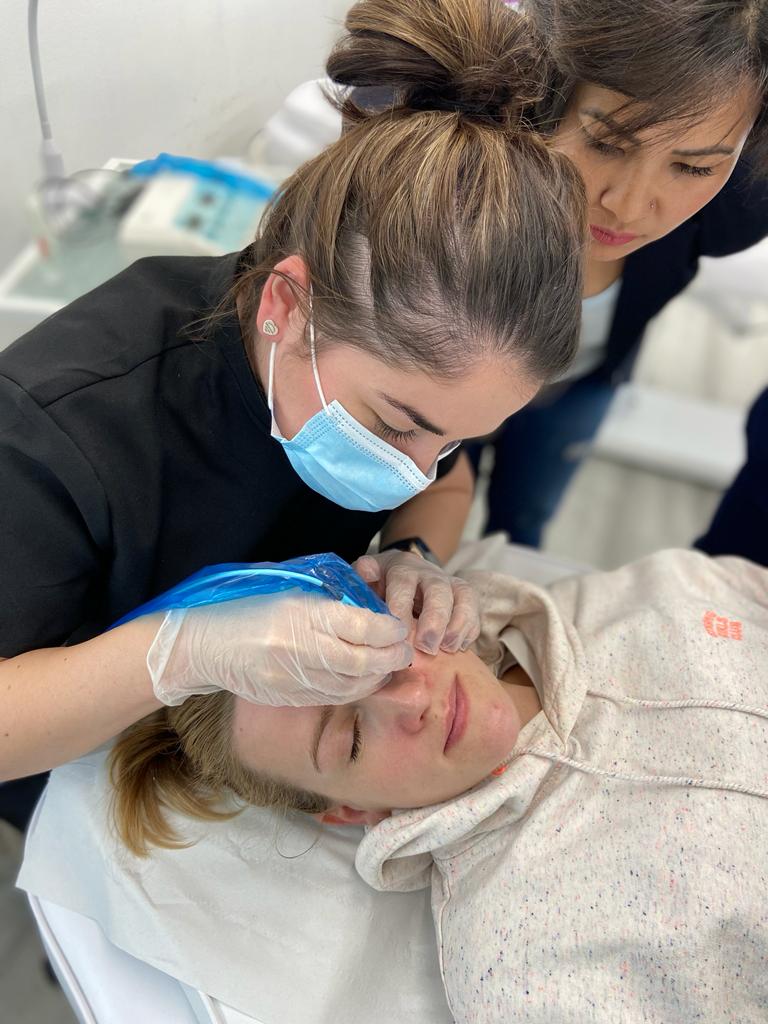
At Little Beauty Academy, QUALIFI courses combine flexible virtual classroom learning with tutor-led Zoom support and practical in-venue assessments. Each level is designed to build progressively on the last, creating a structured route from foundation knowledge through to advanced clinical aesthetic practice.
The five levels available are not interchangeable. They cover different treatment areas, require different prerequisites, and lead to different scopes of practice. The right starting point depends on your existing background, your treatment goals, and what your insurer requires.
Level 3 - Foundation Aesthetic Qualification
Level 3 is the correct starting point for most people who are new to beauty or aesthetics. Indeed, it provides the essential underpinning knowledge that everything else builds on: anatomy, physiology, and the principles of aesthetic practice. Without this foundation, progression into higher levels is harder to sustain.
At Little Beauty Academy, the QUALIFI Level 3 qualification combines flexible virtual learning with tutor-led support. It is designed to give beginners confidence in the foundational science before progressing into advanced training pathways. Furthermore, Level 3 supports direct progression into Level 4 and Level 5, so completing it properly matters from the outset.
Who it is for: Practitioners completely new to beauty or aesthetics. For example, those without a relevant prior qualification who want a structured entry point into the industry.
What it leads to: Direct progression into Level 4. In short, Level 3 is the foundation for all subsequent QUALIFI qualification routes.
Level 4 - Anatomy, Physiology and Skin Rejuvenation
Level 4 builds the scientific foundation for advanced aesthetic practice. It covers the academic content that practitioners need before moving into clinical treatments – skin morphology, the biochemistry of cells, and skin disorders and diseases relevant to aesthetic practice. However, it is important to understand that Level 4 is primarily an academic qualification. In other words, it is the knowledge base, not the practical treatment training.
At Little Beauty Academy, two QUALIFI Level 4 qualifications are available. The Level 4 Certificate in Anatomy and Physiology in Aesthetic Practice covers skin morphology, cell biochemistry, and aesthetic skin disorders. Assessment is through short answer questions and multiple choice papers. In addition, the Level 4 Diploma in Aesthetic Procedures for Skin Rejuvenation extends this into practical skin rejuvenation work.
Prerequisite: A minimum Level 3 qualification or equivalent. Applicants must provide proof of prior qualifications before enrolment.
Duration: Up to six months from sign-up. Furthermore, zoom-supported study sessions run every four weeks throughout the course.
Who it is for: Practitioners with a Level 3 or equivalent wanting to strengthen their skin science knowledge before progressing into Level 5.
What it leads to: Direct progression into the Level 5 Certificate in Aesthetic Practice. Specifically, Level 4 is the academic stepping stone that makes Level 5 entry possible. As a result, completing it thoroughly is important.
Level 5 - Advanced Aesthetic Practice
Level 5 is the gateway to advanced clinical aesthetic treatments. This is where practitioners begin working practically with procedures including skin microneedling and chemical peels, within a structured regulated qualification framework. Unlike short CPD courses in the same treatments, therefore, the QUALIFI Level 5 qualification builds the broader clinical and professional context around those skills.
The Level 5 Certificate in Aesthetic Practice at Little Beauty Academy covers five core units. These are: Legal and Regulatory Requirements in Aesthetic Practice, Professional Standards, Working Collaboratively with Healthcare Professionals, Anatomy and Physiology of the Ageing Face, and Skin Microneedling and Chemical Peels. Practical assessment takes place over three consecutive days in venue.
Prerequisites: A minimum Level 4 qualification or equivalent, plus at least three years of relevant industry experience. Additionally, current Basic Life Support and Anaphylaxis Management training is required.
Duration: Up to one year from sign-up. Similarly, zoom-supported sessions run every two weeks to guide learners through the qualification.
Cost: £2,500, which includes all tutor-led zoom support and in-venue assessment days.
Who it is for: Practitioners with a Level 4 or equivalent and three years of relevant experience who want to progress into advanced skin treatments within a regulated qualification structure.
What it leads to: The Level 7 Certificate in Aesthetic Practice. Specifically, Level 5 is the direct prerequisite for Level 7 injectable training at Little Beauty Academy.
Level 6 - Advanced Injectable Qualifications
Level 6 sits at the advanced end of aesthetic practice. It is designed for experienced practitioners who want to develop specific higher-level injectable competencies and clinical confidence within a regulated educational framework. In contrast to Level 7, which covers the full injectable pathway, Level 6 qualifications at Little Beauty Academy focus on specific advanced clinical areas.
Four QUALIFI Level 6 qualifications are available at Little Beauty Academy. The Level 6 Award in Advanced Skin Boosters covers advanced skin booster injectable techniques. For practitioners working with vitamin therapies, the Level 6 Award in Vitamin and Mineral Injections for Wellbeing provides the regulated framework for that practice. Broader advanced clinical knowledge is developed through the Level 6 Diploma in Aesthetic Practice. Additionally, the Level 6 Award in Complication Management for Aesthetic Practice covers complication recognition, response and management – a critical qualification for any practitioner working at this level.
Who it is for: Experienced practitioners wanting to extend specific injectable skills or develop advanced complication management within a regulated framework.
What it leads to: Continued advanced practice development. Moreover, some Level 6 qualifications may support pathways into Level 7 for eligible practitioners.
Level 7 - Clinical Aesthetic Practice
Level 7 is the highest level QUALIFI qualification available in aesthetics. Indeed, it is the postgraduate-level injectable qualification – the industry benchmark for botulinum toxin and dermal filler practice, and the standard increasingly expected by professional indemnity insurers and the regulatory framework being developed by the government.
The QUALIFI Level 7 Certificate in Aesthetic Practice at Little Beauty Academy covers five clinical units. These include Facial Aesthetics Consultation, Psychology of Facial Aesthetics, Botulinum Toxin Injections to the Face and Neck, Temporary and Reversible Dermal Fillers, and Management of Complications and Medical Emergencies. Practical assessment takes place across eleven flexible days in venue. The qualification is open to both medics and non-medics.
Prerequisites: A QUALIFI Level 5 Certificate in Aesthetic Practice or equivalent, plus a Level 6 degree or equivalent in a healthcare profession. Current Basic Life Support and Anaphylaxis Management training is required.
Duration: Up to one year from sign-up. Similarly, zoom-supported sessions run every two weeks to guide learners through the qualification.
Cost: £4,995. However, a bridging course is available for practitioners already qualified in botulinum toxin and dermal filler treatments.
Who it is for: Practitioners who have completed Level 5 or equivalent and meet the prerequisite requirements, who want to achieve the highest level of regulated qualification in aesthetic injectable practice.
In addition, a second Level 7 award is available: the QUALIFI Level 7 Award in Clinical Aesthetic Procedures – PLLA Dermal Fillers. This specialist course covers PLLA filler technique for practitioners already working at advanced injectable level. Furthermore, it supports practitioners looking to expand into biostimulatory filler practice.
Short Courses vs Regulated Qualifications: Understanding the Difference
It is worth being clear about this distinction, because it matters practically. CPD short courses and regulated QUALIFI qualifications are not equivalent – and they serve different purposes.
A short course offers focused skills training in a specific technique. For practitioners who already hold appropriate foundational qualifications, that kind of targeted training is a useful and legitimate way to add a new treatment competency. However, short courses do not carry the same regulatory weight, academic depth, or insurer recognition as Ofqual-regulated qualifications.
Regulated qualifications cover broader ground. They include anatomy, consultation, contraindications, professional standards, legal and ethical practice, and complication management – not just treatment technique. As a result, they build a different kind of clinical confidence and professional positioning. Most professional indemnity insurers require evidence of accredited, regulated training. Furthermore, as the UK licensing framework develops through 2026, regulated qualifications are likely to be the standard against which practitioner eligibility is assessed.
Many practitioners use both: QUALIFI qualifications as the professional backbone, and short courses to extend specific skills at later stages. That combination is entirely appropriate. However, the key is understanding which is which – and making sure neither is mistaken for the other.
What Aesthetic Qualification Do I Need? How to Choose the Right Level
The honest answer to “what aesthetic qualification do I need” is that it depends on where you are starting from and where you want to get to. That said, there is no single correct entry point that works for everyone. Nevertheless, the questionnaire above gives a useful starting point, and the guide above breaks down each level clearly.
Practitioners who are completely new to beauty or aesthetics will almost certainly start at Level 3. From there, holding a Level 3 and wanting to build towards advanced skin treatments points towards Level 4. For those who already hold a Level 4 with relevant experience and want to progress into clinical aesthetic practice including microneedling and peels, Level 5 is the natural next step. If you are already working in aesthetics at an experienced level and want to develop advanced injectable or complication management skills, Level 6 is worth exploring. Practitioners aiming for the highest regulated injectable qualification in aesthetic practice are working towards Level 7.
However, qualification routes can be affected by your existing background, your insurer’s specific requirements, and the treatments you intend to offer. Before committing to a route, it is worth speaking directly to the Little Beauty Academy team to make sure you are starting in the right place.
Author: Anna Camarinha BSc
Founder and Lead Educator at Little Beauty Academy
QUALIFI Courses at Little Beauty Academy
Frequently Asked Questions
The right starting point depends on your current background. Most practitioners new to aesthetics begin with Level 3 – it provides the foundational knowledge for everything that follows. From there, Level 4 builds the scientific grounding in skin morphology and cell biochemistry. Level 5 then moves into advanced clinical practice including microneedling and chemical peels, requiring a Level 4 plus at least three years of experience. For injectable practice, Level 7 is the benchmark.
Requirements vary by treatment type, insurer requirements, and any applicable regulatory framework. Currently, there is no single mandatory qualification requirement for all non-surgical cosmetic procedures in England. However, this is changing. The UK Government confirmed in August 2025 that a new licensing scheme requires practitioners to be suitably knowledgeable, trained and qualified. Practitioners should therefore keep up to date with current requirements as the framework develops through 2026 and beyond.
At Little Beauty Academy, Level 7 requires a Level 5 Certificate in Aesthetic Practice or equivalent, alongside a Level 6 degree or equivalent in a healthcare profession. However, practitioners with existing qualifications in botulinum toxin and dermal filler may be eligible for a bridging course. Contact Little Beauty Academy to discuss your specific background and whether an alternative entry point applies.
QUALIFI is an Ofqual-regulated awarding body. As a result, Ofqual-regulated qualifications appear on the GOV.UK Register of Regulated Qualifications and are widely recognised by professional indemnity insurance providers. However, practitioners should always check directly with their chosen insurer to confirm which specific qualifications they require before enrolling.
A QUALIFI qualification is Ofqual-regulated, assessed against national standards. It covers anatomy, consultation, professional practice, legal requirements, contraindications, and clinical technique. A short CPD course covers a specific treatment skill only. Both have a place, but they are not equivalent in regulatory recognition, insurer requirements, or depth of knowledge.
Completion times vary by level. For example, the Level 4 Certificate takes up to six months from sign-up. Both the Level 5 and Level 7 Certificates take up to one year. All courses combine flexible virtual theory learning with practical in-venue assessment days. Exact timelines depend on individual learner progress and assessment scheduling.
References
GOV.UK – Licensing of non-surgical cosmetic procedures consultation response (August 2025): www.gov.uk/government/consultations/licensing-of-non-surgical-cosmetic-procedures
GOV.UK – Find a Regulated Qualification: www.gov.uk/find-a-regulated-qualification
House of Commons Library – Regulation of non-surgical cosmetic procedures in England: commonslibrary.parliament.uk/research-briefings/cbp-10331
JCCP – Competency Framework and Education and Training Register: www.jccp.org.uk
QUALIFI – Awarding Organisation: www.qualifi.net