
How to Become an Aesthetic Practitioner UK: What Nobody Tells You Before You Start
More people than ever are searching for how to become an aesthetic practitioner in the UK – and more people than ever are making the same avoidable mistakes when they do. The UK aesthetics market is worth 3.6 billion pounds and growing. It is also largely unregulated in England, which means the barrier to entry is low enough that people with inadequate training are practising on real clients. Learning how to do this properly, from the start, is not just good for business. In an industry moving rapidly towards mandatory licensing in 2026, it is essential.
The UK government published its response to the 2023 DHSC consultation on cosmetic procedure licensing in August 2025, confirming that a mandatory licensing framework will be introduced for non-surgical cosmetic procedures in England. A further public consultation is expected in 2026 before regulations are presented to Parliament. The message for practitioners is clear: train properly now, or retrofit qualifications later under pressure.
What Does an Aesthetic Practitioner Actually Do?
An aesthetic practitioner performs non-surgical cosmetic treatments designed to enhance appearance, address signs of ageing, or support skin health. This includes botulinum toxin (anti-wrinkle injections), dermal fillers, chemical peels, microneedling, skin boosters like Profhilo, and a growing range of advanced treatments. The role requires anatomical knowledge, clinical precision, consultation skills, and a clear understanding of contraindications and adverse event management.
There are two broad practitioner pathways: medical (nurses, doctors, dentists who add aesthetics to existing clinical practice) and non-medical (beauty therapists, career changers, and new entrants who train specifically for aesthetics). Both routes lead to the same market. The training requirements and scope of practice differ.
The Most Common Beginner Injector Mistakes in the UK
Choosing training based on price alone. The cheapest course is almost never the right course. In a clinical field, inadequate training does not just limit your earning potential – it creates genuine patient safety risk. Save Face received over 3,000 complaints about botched procedures in 2022 alone. Most were attributable to undertrained practitioners.
Skipping foundational anatomy. Vascular anatomy knowledge is not optional for injectable practitioners. Understanding the danger zones – supratrochlear, supraorbital, and angular arteries in particular – is the difference between a safe treatment and a vascular occlusion. Any course that does not cover this in depth is not adequate training.
Rushing from foundation to advanced too quickly. The fastest route to botched procedures is skipping the intermediate steps. Foundation anti-wrinkle training gives you competence in the three primary zones. Dermal filler is a separate skill set. Advanced techniques are separate again. Each stage needs time, practice, and supervised cases before progression.
Not understanding the regulatory environment. In 2026, the UK government is progressing a licensing regime for non-surgical cosmetic procedures in England. Practitioners starting with unaccredited training now will face compliance challenges as the framework is implemented. Starting with proper, accredited qualifications is the lowest-risk approach.
Operating without insurance. Professional indemnity insurance is non-negotiable. Without it, a single adverse event can be financially catastrophic. Most reputable insurers require evidence of accredited, Ofqual-regulated training before they will offer cover.
Why Poor Training Leads to Complications
The data is unambiguous. In July 2025, 38 cases of botulism poisoning were recorded in England following the suspected use of unlicensed botulinum toxin products in cosmetic procedures. The JCCP and professional bodies have consistently documented the link between inadequate training and patient harm. The complications most commonly seen – vascular occlusion, infection, migration of filler – are almost all preventable with proper training and correct technique.
Professor David Sines, Executive Chair of the JCCP, has stated directly that the introduction of mandatory standards “will protect the public from untrained and inexperienced operators.” The direction of travel in 2026 is clear: towards credentialing, accountability, and meaningful regulatory enforcement.
How to Become an Aesthetic Practitioner UK the Right Way
Step 1 – Foundation training. A Level 3 or Level 4 qualification in aesthetic therapy gives you the anatomical grounding and professional framework to progress safely. This is your starting point, not an optional extra.
Step 2 – Injectables foundation. Anti-wrinkle (botulinum toxin) training is the correct first injectable course for the vast majority of practitioners. It introduces you to facial anatomy, consent, injection technique, and adverse event protocols in a controlled, repeatable context.
Step 3 – Dermal filler training. Once competent in anti-wrinkle, structured filler training builds the volume and structure skills that clients increasingly request. Lip training, cheek augmentation, and jawline definition follow a logical anatomical sequence.
Step 4 – Advanced techniques and CPD. The aesthetic industry evolves rapidly. Profhilo, polynucleotides, and combination treatment protocols are now client expectations at the higher end of the market. Continuing education is not optional for practitioners who want to stay competitive.
What Training Actually Prepares You
The difference between a course that adequately prepares you and one that does not comes down to three things: the depth of anatomical teaching, the quality of supervised clinical practice, and the accreditation framework it operates within.
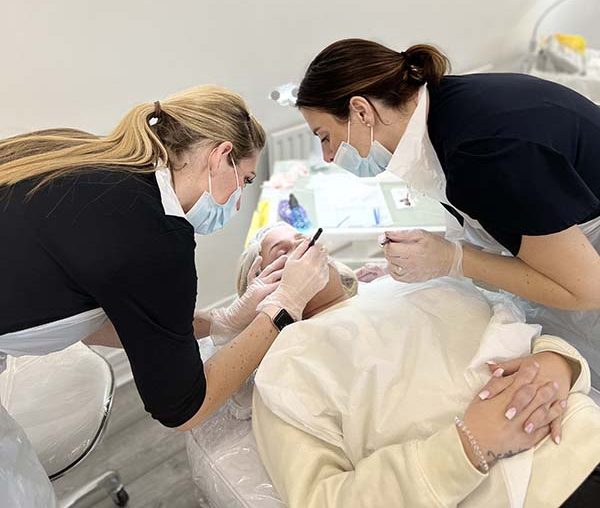
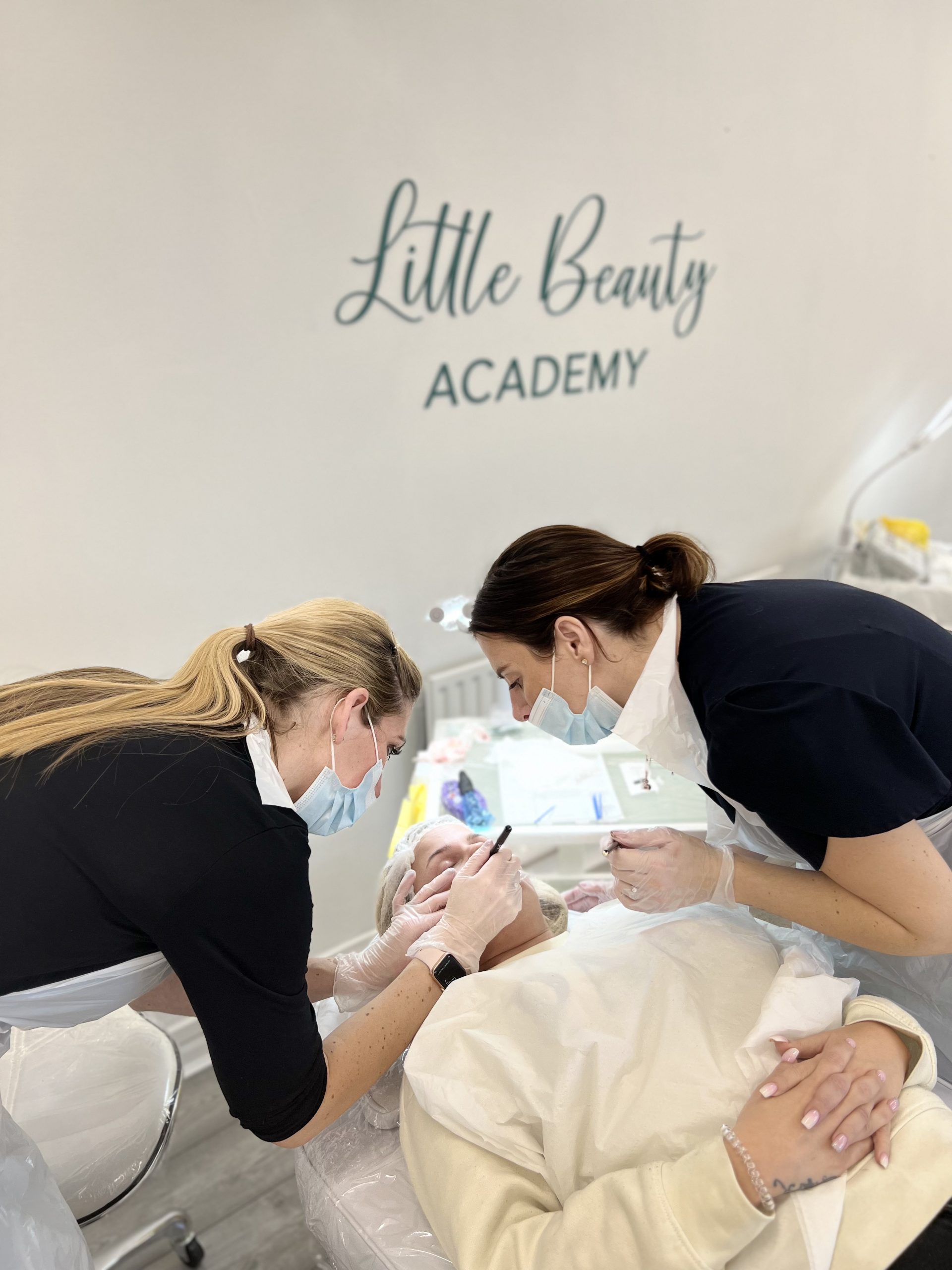
Look for courses that are Ofqual-regulated or JCCP-aligned, that provide live model training (not just mannequins), that cap class sizes, and that include adverse event management as a core component. Harley Academy research found that over 90% of aesthetics clients expect their injector to hold a postgraduate qualification. The market is self-selecting for quality.
Related Courses at Little Beauty Academy
– Foundation Anti-Wrinkle Injection Course
– Level 6 Award in Complication Management for Aesthetic Practice
– Level 3 Basic Life Support and Anaphylaxis Management
Frequently Asked Questions
FAQ SCHEMA FLAG: Wrap the FAQ section in FAQPage schema markup. Each Q+A pair maps to one Question entity with acceptedAnswer.
How long does it take to become an aesthetic practitioner in the UK?
The timeframe varies by route. A non-medic following a structured VTCT pathway from Level 3 to Level 4 typically takes six to twelve months before treating clients professionally. Progressing to advanced injectables (Level 7) takes longer. Rushed timelines are one of the most common sources of clinical errors in new practitioners.
Do you need a medical background to become an aesthetic practitioner in the UK?
No. Non-medical practitioners can legally perform many aesthetic treatments in the UK, including dermal fillers and anti-wrinkle injections in England. However, the incoming licensing framework is expected to introduce oversight requirements for certain procedure categories. Training with an accredited provider who prepares you for the regulatory landscape is strongly recommended.
What qualifications do I need to become an aesthetic practitioner?
For non-surgical skin treatments like microneedling and chemical peels, a Level 4 diploma in Advanced Aesthetic Treatments is typically the minimum standard. For injectables, a Level 7 postgraduate diploma is the industry benchmark. Foundation-level qualifications (Level 3) are the entry point for most non-medical beginners.
What insurance do aesthetic practitioners need in the UK?
Professional indemnity insurance and public liability insurance are both required. Most providers require evidence of accredited training before issuing cover. Operating without appropriate insurance is both financially and legally risky.
What are the most common mistakes beginner injectors make?
The most common mistakes include choosing training based on price rather than quality, skipping foundational anatomy modules, progressing to advanced techniques before mastering basics, and operating without professional insurance. In a field moving towards mandatory licensing in 2026, these errors become increasingly difficult to correct retrospectively.