How to Get Into Aesthetics UK: The Mistakes Most Therapists Make at the Start
Every week, therapists across the UK ask how to get into aesthetics. Most get a version of the same answer: pick a course, get certified, start treating. What that advice skips is everything that determines whether the transition actually works. The practitioners who build durable aesthetics practices are not the ones who moved fastest. They are the ones who started correctly – with the right specialism, the right training foundation, and a clear understanding of the mistakes that derail most beginners before they gain traction.
The UK aesthetics market is worth 3.6 billion pounds and growing. According to research by Rare Group, 13.9 million people – approximately one in five UK adults – are currently considering a non-surgical treatment. The client demand is real. The question is whether your training, specialism, and positioning match what those clients are actually looking for.
The Biggest Post-Op Massage Mistakes Therapists Make
Treating post-operative clients without appropriate training. Post-operative massage is not a standard massage delivered to a post-surgical client. It requires specific knowledge of lymphatic anatomy, surgical contraindications, wound healing stages, and the correct sequencing of manual lymphatic drainage techniques. Applying standard deep tissue or Swedish massage to a post-surgical client can actively cause harm.
Underestimating contraindication complexity. Post-operative clients present with a range of contraindications that do not apply in general massage practice: active seromas, open wounds, surgical clips, drain sites, and DVT risk. A therapist without specific post-operative training does not have the clinical framework to screen and manage these safely.
Starting too early in the recovery timeline. Timing is critical in post-operative care. Lymphatic drainage performed too early – before surgical swelling has stabilised – can interfere with normal healing responses. Trained practitioners understand the recovery windows for different procedures and apply technique accordingly.
Pricing post-op massage as standard massage. This is a specialist clinical skill, not a relaxation treatment. Charging standard massage rates for post-operative care significantly undervalues the service and signals to clients that the practitioner does not fully understand the specialism.
Why Technique Matters in Post-Op Recovery
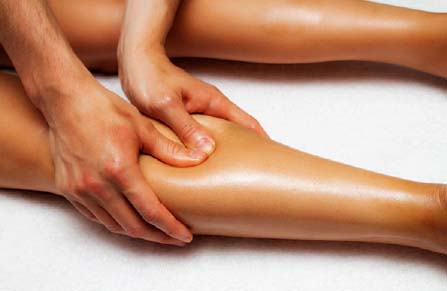
Manual lymphatic drainage, when performed correctly, accelerates tissue healing, reduces post-surgical oedema, and improves the visual outcome of cosmetic procedures. The evidence base for MLD in post-operative recovery is established – it is referenced in post-operative care protocols across major UK cosmetic clinics and recommended by BAAPS member surgeons.
Performed incorrectly, the same techniques can impair healing, introduce infection risk, or cause unnecessary client discomfort at an already vulnerable point in their recovery. This is why specific training matters – not as a credential formality, but as a genuine clinical necessity.
How to Avoid Damaging Client Results
- Complete a recognised post-operative massage and lymphatic drainage course before treating any post-surgical clients
- Understand the healing timeline for each procedure type you plan to treat
- Conduct thorough client consultation including surgeon sign-off where appropriate
- Know your contraindications – and know when to refer on rather than proceed
- Price appropriately for the clinical skill level involved
How to Get Into Aesthetics UK: The Body Treatment Pathway
For therapists wanting to move into aesthetics without the injectable route, body treatments offer a compelling and accessible entry point. Post-operative massage, lymphatic drainage, and body contouring treatments are all in genuine demand, require no medical background, and offer repeat-booking income structures that general beauty treatments rarely match.
The entry pathway is straightforward for qualified beauty therapists. A recognised post-operative massage or lymphatic drainage course provides the clinical framework to begin treating this client group safely. Progression into body contouring treatments adds further treatment options and income streams over time.
The BAAPS 2024 annual audit recorded a 24% rise in thigh lift procedures, 8% rise in liposuction, and 6% rise in abdominoplasty in the UK. Every one of those clients needs aftercare. The shortage of qualified practitioners to provide it is well documented and continues into 2026.
What Training Actually Prepares You for Aesthetics
The distinction between training that prepares you and training that just certifies you comes down to how much genuine clinical competence you acquire. For body treatments, that means: a thorough grounding in lymphatic anatomy, hands-on technique with supervised client contact, clear protocols for contraindication management, and practical understanding of different surgical procedure recovery timelines.
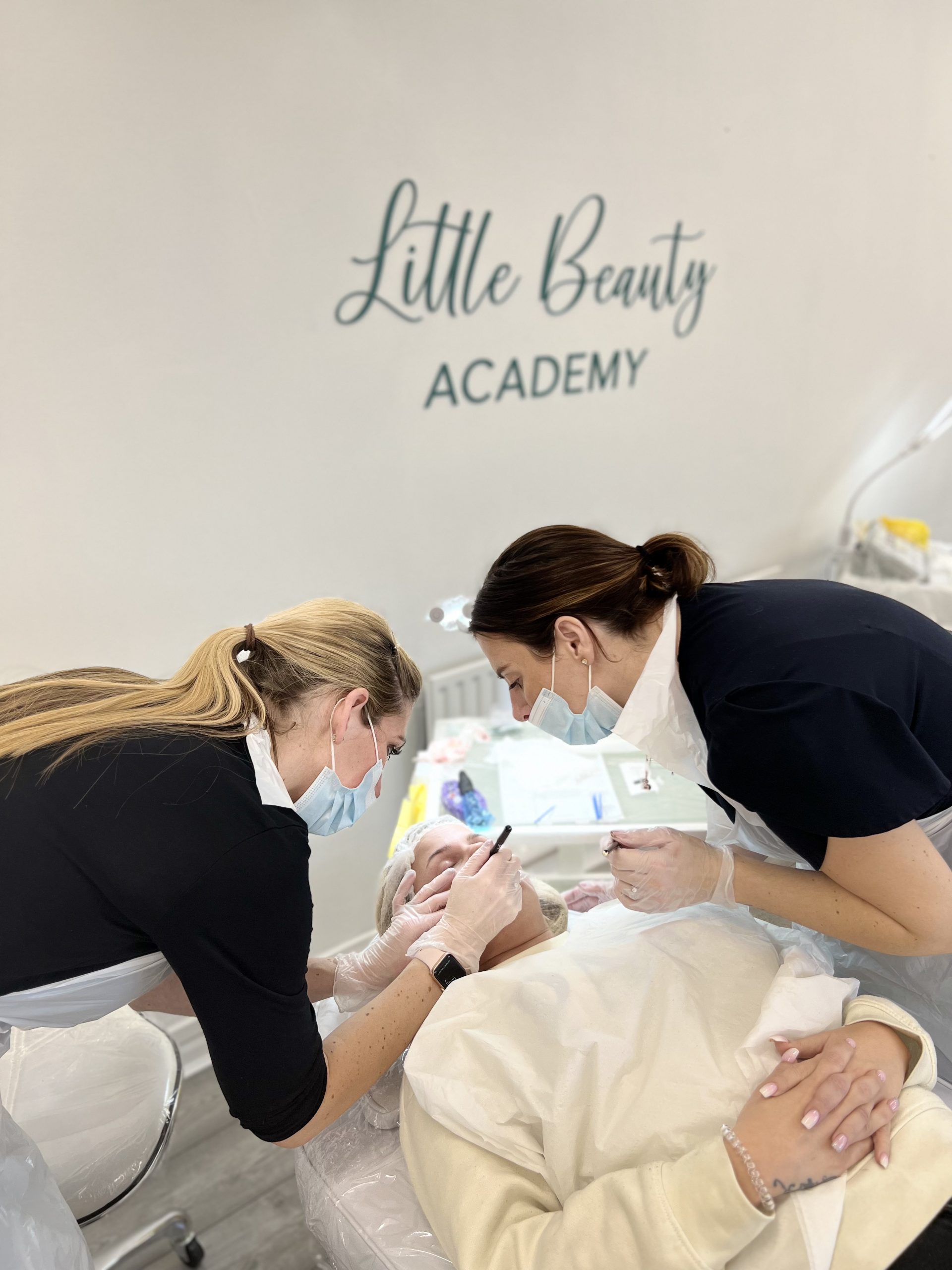
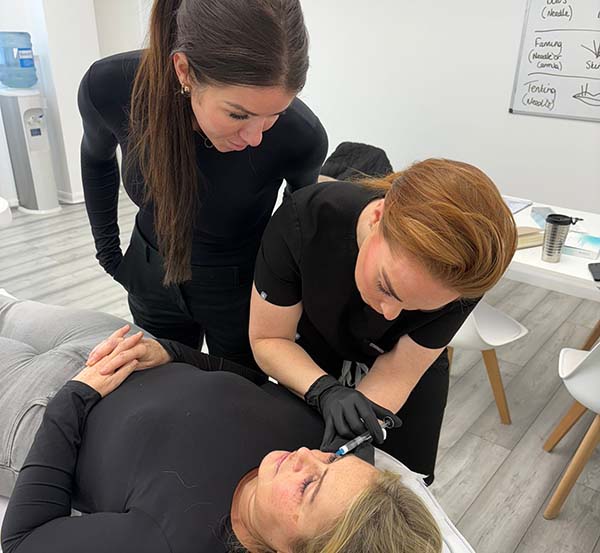
Little Beauty Academy’s lymphatic drainage and post-operative massage courses are designed for therapists who want to make this transition properly. Hands-on training, small class sizes, and a clear clinical framework for treating the post-surgical client group.
Related Courses at Little Beauty Academy
– Complete Post-Operative Massage and Slimming Course
– Lymphatic Drainage Post-Operative
– Wood Therapy and Body Contouring
Frequently Asked Questions
FAQ SCHEMA FLAG: Wrap the FAQ section in FAQPage schema markup. Each Q+A pair maps to one Question entity with acceptedAnswer.
How do you get into aesthetics in the UK without a medical background?
Non-medical entry into aesthetics is well established in the UK. For body treatments, the route is through specialist courses in post-operative massage, lymphatic drainage, and body contouring. For injectables, a structured Level 3 to Level 7 pathway is available to non-medics. The key is choosing accredited, hands-on training from a reputable provider.
Can beauty therapists perform post-operative massage in the UK?
Yes, provided they have completed appropriate specialist training. Post-operative massage and manual lymphatic drainage are not restricted to medical professionals, but they do require specific knowledge of surgical contraindications, lymphatic anatomy, and post-operative recovery protocols. Standard beauty therapy qualifications are not sufficient preparation on their own.
What are the biggest mistakes when starting in body aesthetics?
The most common mistakes are: treating post-operative clients without specific training, underpricing specialist clinical services, failing to conduct thorough consultations, and not understanding contraindications relevant to post-surgical clients. Each of these is avoidable with proper education.
How long does it take to get into aesthetics from beauty therapy?
For body treatment specialisms like post-operative massage and lymphatic drainage, the transition can happen relatively quickly – specialist courses are available as CPD additions to existing qualifications. For injectable aesthetics, the Level 3 to Level 4 pathway typically takes six to twelve months.
Is post-operative massage a good entry into aesthetics?
Yes. Post-operative massage offers high per-session pricing, guaranteed repeat bookings, limited local competition, and a growing client base driven by the continued rise in UK cosmetic surgery. It is one of the most financially compelling entry points for therapists moving into specialist aesthetics.