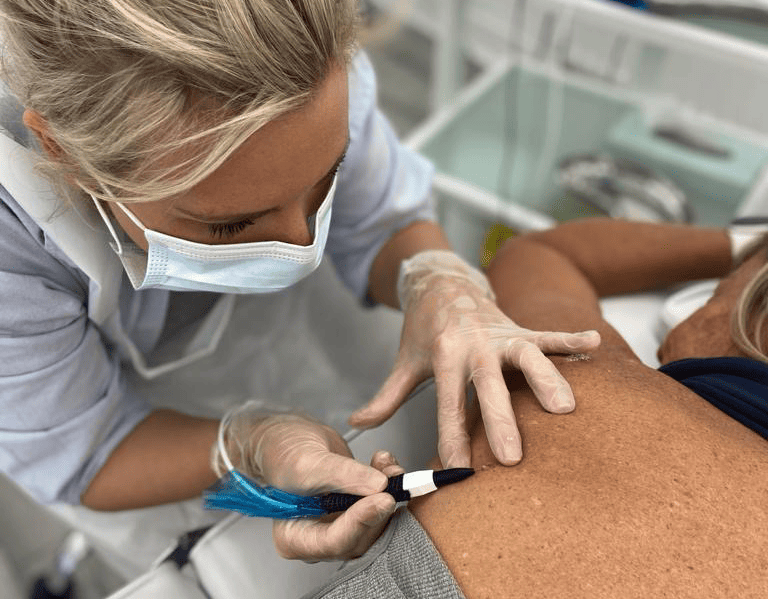
Skin Imperfection Removal Training: Why It Is a High-Intent Treatment Opportunity
Not every strong treatment opportunity comes from dramatic transformation. Some of the most consistent client enquiries are about small, visible concerns. Things people have noticed on their skin for months – sometimes years – and never quite known what to do about. Skin imperfection removal training gives practitioners the knowledge to understand common visible skin concerns and offer suitable treatment routes where appropriate. And the clients looking for help with those concerns often arrive with a very specific problem already in mind.
That specificity matters. It changes how people search, how they book, and how ready they are to have a conversation. Understanding why this treatment area works – and how to approach it carefully – is what this article is about.
Why Skin Imperfection Removal Training Is Becoming More Relevant
Clients are increasingly informed. They have looked at the thing on their skin. They have searched online. They may have read about it, shown it to friends, considered whether to visit a GP. By the time they reach out to a practitioner, they often have a strong sense of what they want addressed, even if they are less certain about the method.
This is a very different starting point from a client browsing for a relaxation facial or asking generally about anti-ageing. Someone searching for help with a skin tag, a cluster of milia, or a visible blemish has a clear and specific concern. That specificity tends to translate into higher intent and a client who is closer to booking than someone in the early stages of aesthetic curiosity.
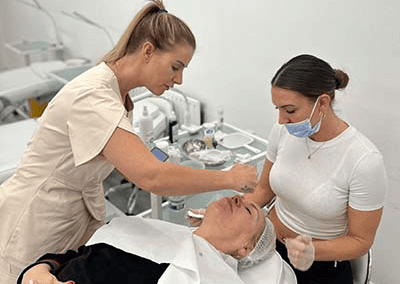
Practitioners who are equipped to respond to these enquiries – who understand what they are looking at, can explain the options clearly, and know when to treat and when to refer – are well placed to serve a client group that is actively looking for them.
The Concerns Clients Are Actively Searching For
The range of visible skin concerns that fall within this treatment area is broad. Some are very common. Others are less frequently discussed but just as meaningful to the clients experiencing them.
Skin tags are small, soft growths that appear on the skin and are often found on the neck, underarms, or eyelid area. They are generally benign and harmless, though they can catch on clothing or cause discomfort.
Milia are small, white or yellowish cysts, typically appearing around the eyes or nose. They are formed when keratin becomes trapped beneath the skin surface and are a common concern for clients who are not sure whether they need a medical opinion or a cosmetic solution.
Warts are caused by the human papillomavirus (HPV) and appear in a range of forms. They are highly common and a frequent reason clients seek help from both medical and aesthetic practitioners.
Seborrhoeic keratoses are very common, benign growths that appear brown or black and have a waxy, stuck-on appearance. The British Association of Dermatologists (BAD) notes that seborrhoeic keratoses can cause worry by becoming inflamed or bleeding, and that a very dark seborrhoeic keratosis can look similar to a melanoma. The BAD advises that any pigmented lesion should be assessed by a GP or specialist to ensure correct diagnosis is made. This is an important reminder of why practitioner training and clear referral pathways matter in this area.
Cherry angiomas and blood spots are small, bright red or purple vascular lesions. They are benign but highly visible and can be a source of self-consciousness for clients.
General skin imperfections including small pigmented areas, raised blemishes, and visible skin growths that clients describe broadly without knowing the specific term. Many clients will search for “skin imperfection removal” rather than the clinical name for their concern.
A point worth making clearly: practitioners working in this area must never diagnose. Identifying what can be treated, understanding when something requires medical review, and maintaining clear referral protocols is central to safe and professional practice.
Why Consultation Is Central to Blemish Removal Treatments
Skin imperfection removal is not a case of look, treat, and move on. A thorough consultation is not optional. It is the foundation of safe practice.
The British Association of Dermatologists produces patient information resources that underline the complexity of skin lesion assessment. The BAD specifically notes that seborrhoeic keratoses can resemble melanoma, and that clinical assessment matters before any action is taken. This is the kind of clinical nuance that separates well-trained practitioners from those who have completed only superficial preparation.
A professional consultation for blemish removal treatment should include client medical history, a careful visual assessment, contraindication screening, informed consent, a clear discussion of aftercare, and a referral pathway for any concern that falls outside the practitioner’s scope or training. Managing client expectations honestly – and early – is also part of this process.
Practitioners must be clear about what they can and cannot offer, and must never attempt to diagnose skin conditions. If a concern requires medical assessment, the client should be guided accordingly. That is not a limitation of the service. It is what a professional, trustworthy service looks like.
How Skin Imperfection Removal Training Can Strengthen a Treatment Menu
There is a practical commercial case for this treatment area. It is not built on hype. It is built on the fact that clients searching for help with a specific visible concern have a clear problem, and a practitioner who can address it well – carefully, professionally, and within scope – offers something genuinely useful.
Skin imperfection removal training sits naturally alongside aesthetic therapy, facials, and other skin-focused services. A practitioner with a well-developed skin treatment menu who can also address visible concerns such as skin tags or milia occupies a more specialist position. Clients who feel their concern has been taken seriously and addressed well are more likely to return. They are also more likely to mention the experience to others.
For practitioners wanting to move beyond general facial treatments into more targeted work, this is a straightforward route. The treatment area is specific, the client need is real, and the skills required – when properly trained – are accessible.
Skin Imperfection Removal Training and Safe Practice
Training matters in this treatment area for reasons that go beyond technique. Practitioners need to understand which concerns can be treated, which require referral, and which should never be approached without medical input.
Good skin imperfection removal training should cover: recognising treatable versus non-treatable concerns, hygiene and infection control protocols, appropriate skin healing expectations, aftercare guidance, contraindication management, and the professional boundaries that define safe practice. It should also cover insurance requirements, scope of practice, and the importance of maintaining a clear referral route.
The UK’s incoming licensing framework for non-surgical cosmetic procedures, as confirmed in the government’s August 2025 consultation response, reinforces the direction of travel across all treatment areas: practitioners who are properly trained and working within defined professional standards are the ones who will be best positioned as the regulatory environment develops.
Is Skin Imperfection Removal Training Right for You?
This training may be a good fit if you are already working as a beauty therapist, aesthetic therapy practitioner, or skin specialist, and you want to add a more targeted treatment to your menu. It is also worth considering if you receive regular enquiries about visible skin concerns and currently have no way to respond to them directly.
It works well for practitioners who value consultation-led, careful practice. It is not a high-volume, fast-turnover treatment. It is a specific service for clients with specific concerns – and that specificity is exactly what makes it commercially interesting.

Author: Anna Camarinha BSc
Founder and Lead Educator at Little Beauty Academy
Related Courses at Little Beauty Academy
Frequently Asked Questions
Skin imperfection removal training covers the knowledge and practical skills needed to assess and treat a range of visible skin concerns including skin tags, milia, warts, small blemishes and other common surface growths. A good skin imperfection removal training programme will also cover consultation, contraindications, referral protocols and safe aftercare, as well as the professional boundaries that define appropriate practice.
Training in this area may cover skin tags, milia, warts, seborrhoeic keratoses, cherry angiomas, and other visible surface concerns, subject to the scope of the specific course. Suitability for treatment always depends on a thorough consultation. Some visible concerns will require GP or dermatologist assessment before any treatment is considered, and practitioners must always work within their training and scope of practice.
No. Practitioners working in blemish removal should not attempt to diagnose skin conditions. They should be able to identify what may be within their scope of treatment, understand when a concern requires medical review, and refer clients to a GP, dermatologist or appropriate healthcare professional when needed. Clear referral protocols are an essential part of professional practice in this area.
For suitable practitioners, yes. Clients searching for help with visible skin concerns often have a specific problem and clear intent. Where a practitioner is properly trained, works within scope, and offers a careful consultation-led approach, skin imperfection removal can be a practical and valued addition to a treatment menu. Individual results vary and no specific outcomes should be promised.
References
British Association of Dermatologists – Patient Information Leaflets: www.bad.org.uk/patient-information-leaflets
British Association of Dermatologists – Seborrhoeic Keratosis Patient Information: www.bad.org.uk/pils/seborrhoeic-keratosis
Primary Care Dermatology Society – Seborrhoeic Keratosis Clinical Guidance: www.pcds.org.uk/clinical-guidance/seborrhoeic-keratosis
GOV.UK – Licensing of non-surgical cosmetic procedures consultation response (August 2025): www.gov.uk/government/consultations/licensing-of-non-surgical-cosmetic-procedures
JCCP – Code of Practice and competency standards: www.jccp.org.uk