What Does a Level 4 Aesthetics Course Cover?
The qualifications question is the one that confuses most people entering aesthetics. There are Level 3s, Level 4s, Level 5s, Level 7s – and a growing number of short CPD certificates that sit alongside all of them. Understanding what a level 4 aesthetics course actually covers, how it sits within the broader qualifications framework, and what the incoming regulatory changes mean for each level is the starting point for any practitioner making a serious career plan in this industry.
In 2026, the stakes have risen. The UK government published its licensing consultation response in August 2025 and confirmed that mandatory licensing for non-surgical cosmetic procedures is coming to England. A further public consultation is expected in 2026. The proposed green, amber, and red tier system directly links procedure access to qualification standards. Practitioners who understand the qualifications landscape now are the ones who will navigate that framework most effectively.
What Aesthetic Qualifications Do You Need in the UK?
The answer depends on what treatments you want to offer. There is no single qualification that covers all of aesthetics, and the requirements differ between medical and non-medical practitioners.
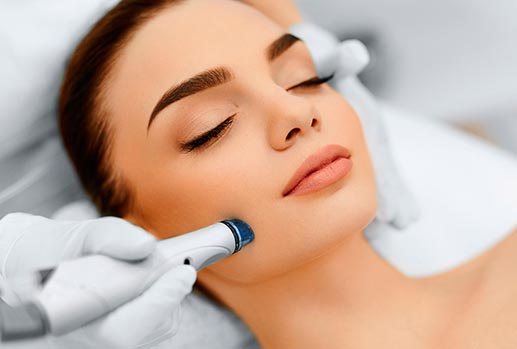
For non-surgical skin treatments (microneedling, dermaplaning, chemical peels, skin boosters): a Level 4 diploma in Advanced Aesthetic Treatments is the standard qualification required. This is the entry point for advanced non-injectable aesthetic practice.
For injectable treatments (botulinum toxin, dermal fillers): a Level 7 postgraduate diploma in Aesthetic Medicine or Injectables is the industry benchmark. Level 7 training is JCCP-backed and the standard required by professional indemnity insurers.
For medical professionals (registered nurses, dentists, doctors): Level 6 healthcare qualifications plus NMC, GDC, or GMC registration are typically the prerequisite for injectable practice, with Level 7 as the advanced standard.
Level 4 vs Level 5 vs Level 7: What Each Covers
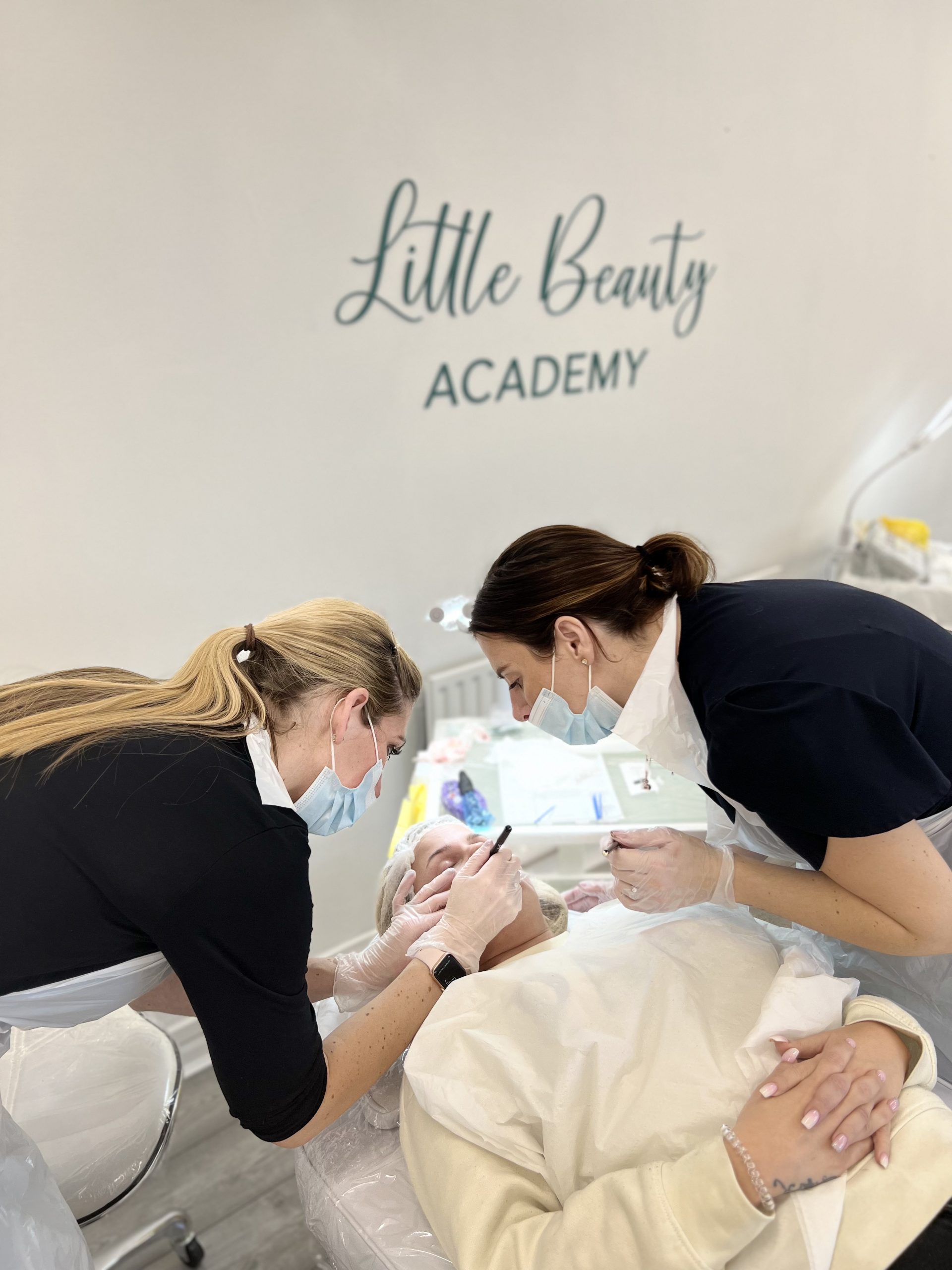
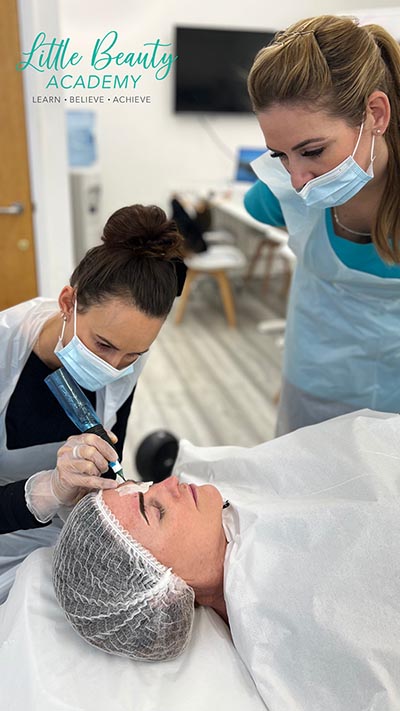
Level 4 Aesthetics Course: The primary entry qualification for non-medical advanced aesthetics practice. Covers advanced skin treatments including microneedling, chemical peels, dermaplaning, and cosmetic technologies. Opens the door to non-injectable aesthetic treatments. This keyword generates 500 UK searches per month, reflecting genuine practitioner demand for clarity on this level.
Level 5 Aesthetics Course: A progression from Level 4. Covers more advanced skin science, complex treatment planning, and expanded treatment modalities. Suitable for practitioners wanting to develop beyond Level 4 without moving into injectables.
Level 6 Aesthetics: Covers advanced clinical skills including complication management – a critical qualification for practitioners wanting to demonstrate the highest standards of patient safety. Available at Little Beauty Academy.
Level 7 Aesthetics Course: The postgraduate-level injectable qualification. Covers botulinum toxin, dermal filler, facial anatomy at a clinical depth, adverse event management, and advanced treatment protocols. The JCCP-approved standard.
Why Aesthetic Qualifications Are Becoming Essential in 2026
Until recently, the UK aesthetics industry operated with minimal qualification requirements. Anyone could legally perform Botox or filler injections regardless of training. This is changing. The August 2025 government consultation response confirmed that a new licensing system will require practitioners to meet specific standards to obtain both a practitioner licence and a premises licence.
The House of Commons Library briefing on cosmetic procedure regulation notes that the proposed green, amber, and red tier system will directly influence who can perform which treatments. Red procedures will be restricted to regulated healthcare professionals under CQC oversight. Amber procedures will require non-healthcare practitioners to have relevant oversight from a named regulated healthcare professional. Green procedures will require a licence but be accessible to practitioners who meet agreed standards.
In practice, this means the qualification you hold will determine your scope of practice. Starting a qualification pathway now – particularly QUALIFI-accredited routes that are aligned to the Health Education England framework – puts practitioners ahead of compliance requirements.
How Qualifications Impact Insurance and Professional Credibility
Professional indemnity insurance is essential for any practising aesthetician. Most reputable insurers require evidence of accredited, Ofqual-regulated training. Practitioners operating on unaccredited or short CPD-only certificates increasingly find themselves unable to obtain adequate cover.
Client expectations are also rising. Research by Harley Academy found that over 90% of aesthetics clients expect their injector to hold a postgraduate qualification. QUALIFI qualifications at Little Beauty Academy are designed to provide this standard: accredited, progressive, and recognised by professional bodies and insurers.
Author: Anna Camarinha BSc
Founder and Lead Educator at Little Beauty Academy
Related Courses at Little Beauty Academy
Frequently Asked Questions
A Level 4 aesthetics course is the primary qualification for non-medical advanced aesthetics practice in the UK. It covers treatments including microneedling, chemical peels, dermaplaning, and cosmetic technologies, and is the standard qualification required for non-injectable advanced skin treatments.
Level 7 is the industry benchmark for injectable practitioners, including Botox and dermal filler. While currently no legal requirement exists for qualifications in England, Level 7 is required by most professional indemnity insurers and is JCCP-approved. With mandatory licensing incoming, Level 7 is strongly recommended for any practitioner planning to offer injectables long-term.
A Level 4 aesthetics course covers advanced non-injectable skin treatments. A Level 7 covers injectables at a postgraduate level, including botulinum toxin, dermal fillers, advanced facial anatomy, and adverse event management. They serve different practitioner stages and treatment types.
Under the incoming licensing framework confirmed by the government in August 2025, practitioners will need to meet qualification standards to obtain a practitioner licence. The specific requirements are being finalised through further public consultation expected in 2026, but investing in accredited qualifications now is the lowest-risk strategy.
QUALIFI is an Ofqual-regulated awarding body that offers aesthetics qualifications at Levels 3 through 7. QUALIFI-accredited courses provide a recognised, progressive pathway from entry-level beauty through to advanced injectables, and are aligned to the Health Education England framework referenced in the government’s licensing proposals.